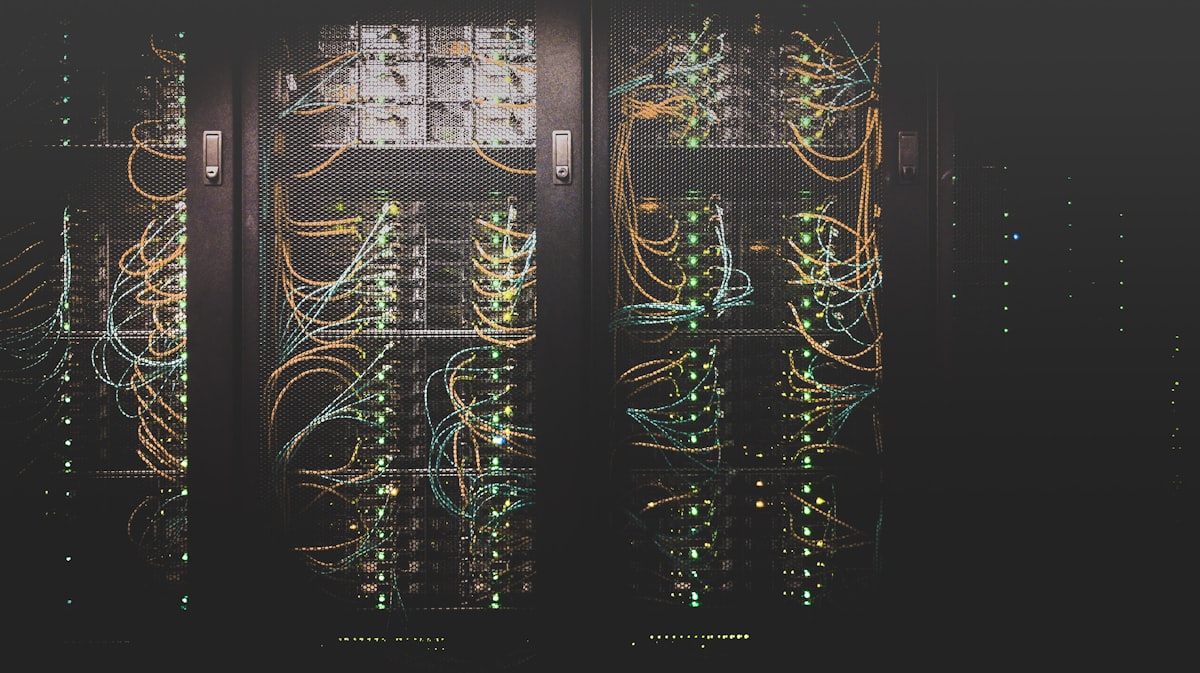
The Old Way: Months of Human Hours
Six months ago, spinning up a production-grade infrastructure stack meant weeks of work: architecture diagrams, Terraform templates, CI/CD pipelines, security policies, monitoring setup, disaster recovery planning.
A typical mid-stage startup would spend 6–8 weeks getting from 'we need this' to 'it's running.' That's if nothing broke.
What Changed
Three converging forces hit in late 2025 and early 2026:
LLM-native IaC generation — Models trained on millions of Terraform, Pulumi, and Helm configurations can now generate production-ready infrastructure code from natural language. Not skeleton code. Working code with best practices baked in.
Agentic execution pipelines — AI agents can run terraform plan, interpret errors, fix them, and apply changes without human review for standard patterns. The feedback loop that used to take days now takes hours.
Policy-as-code automation — Security and compliance rules that used to require manual audits are now encoded in frameworks like Open Policy Agent and automatically enforced at apply time.
What's Actually Working
Teams at the frontier aren't just using AI to write Terraform. They're using it to:
- Generate baseline architecture from a product description in minutes
- Auto-fix drift between live infrastructure and code state
- Run pre-deployment 'what if' simulations that catch misconfigurations before apply
- Generate runbooks automatically as infrastructure changes
The Hidden Bottleneck: Not AI, Human Context
The teams struggling with AI infrastructure tools aren't hitting model limits. They're hitting context limits:
- Poorly documented existing stacks
- Unclear ownership of infrastructure decisions
- Legacy configurations that 'someone set up in 2021 and nobody touched since'
What This Means for Builders
If you're building a product in 2026, your infrastructure setup timeline should look nothing like 2024. The question isn't whether to use AI for infrastructure — it's whether you're still treating infrastructure as a human-only workflow.
The teams shipping fastest are treating AI infrastructure tools like they treat AI code review: a collaborator, not a replacement. But one that works 24/7.
The old benchmark was 'weeks to deploy.' The new benchmark is 'hours to deploy if you're doing it right.'